12 Chargers, One Power Grid Simulator, and Some Genuinely Scary Results
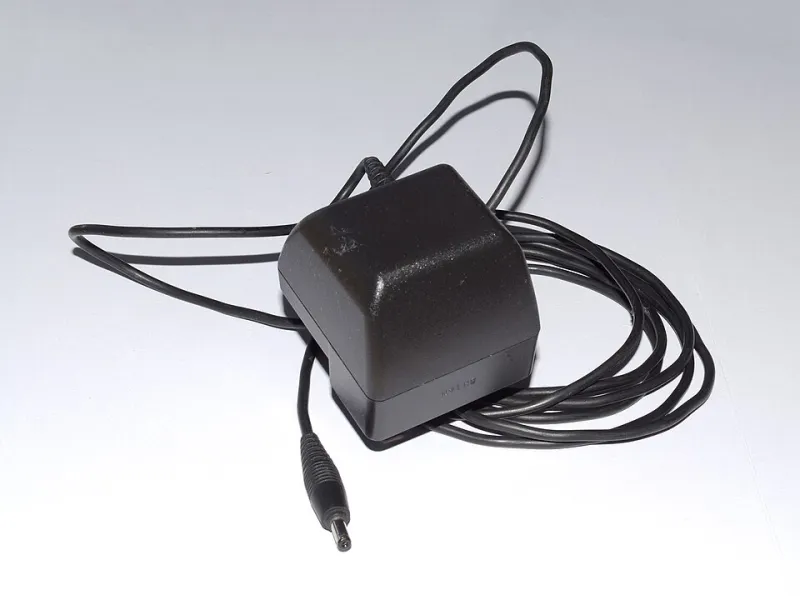
Photo: Multicherry, CC BY-SA 4.0, via Wikimedia Commons
Let's be honest: most of us grab a charger off Amazon, check the reviews, maybe glance at the wattage, and call it a day. It works, right? Phone charges up overnight, life goes on.
Except here's the thing — not all chargers are created equal, and some of the worst offenders look perfectly normal from the outside. We wanted to know which chargers are actually safe for your battery's long-term health, so we put 12 popular models through a power grid simulator that replicates real-world electrical conditions: voltage spikes, grid fluctuations, sustained load scenarios, and thermal stress tests.
What we found should make you take a second look at whatever's plugged into your wall right now.
What We Tested and Why It Matters
We pulled together a mix of chargers across three categories: OEM (original equipment manufacturer) bricks that ship with flagship phones, popular third-party brands with strong Amazon ratings, and budget alternatives sitting under the $10 mark. No names redacted — we'll tell you exactly what performed and what flopped.
The power grid simulator lets us replicate conditions that your home outlet experiences regularly: brief voltage surges during storms, brownouts, and the kind of micro-fluctuations that happen dozens of times a day without you ever noticing. Your phone's battery is on the receiving end of all of that, and the charger is supposed to act as the gatekeeper.
We measured four key metrics for each charger:
- Output voltage consistency (how steady is the actual delivery?)
- Thermal output (how hot does the brick get under sustained load?)
- Surge absorption (does it protect against spikes, or pass them through?)
- Claimed vs. actual wattage (is the label even telling the truth?)
The OEM Chargers: Boring, But Mostly Trustworthy
No huge surprises here. The chargers that shipped with major flagship devices — including Apple's USB-C brick and Samsung's 25W adapter — performed consistently well across almost every metric. Voltage delivery stayed tight, thermals were manageable, and surge absorption was solid.
The one caveat: Apple's older 20W USB-C adapter ran warmer than we'd like during back-to-back fast charges. Not dangerous territory, but worth noting if you're doing multiple charge cycles in a short window. Heat is the slow killer of lithium-ion cells, and even a few extra degrees over time adds up.
Bottom line on OEM: If you're still using the charger that came in the box (or the one Apple sells in its stores), you're generally fine. Not exciting, but fine.
Third-Party Fast Chargers: The Wild West
This is where things got interesting — and occasionally unsettling.
A couple of well-known third-party brands (think Anker and Belkin territory) performed nearly on par with OEM options. Voltage consistency was excellent, claimed wattage matched actual delivery within acceptable margins, and thermal output stayed reasonable. These brands have clearly invested in proper charging circuitry, and it shows.
But two other highly-rated third-party chargers told a different story. One unit — a 65W GaN charger with thousands of positive reviews — showed a measurable voltage overshoot during the surge test. Nothing that would fry your phone in a single session, but the kind of repeated stress that chips away at battery capacity over months. Another unit ran so hot during a 45-minute sustained charge simulation that we actually paused the test to let it cool down. That's not a charger you want plugged in overnight.
The lesson here isn't that all third-party chargers are dangerous. It's that star ratings don't test for electrical consistency — they test for whether a phone charged up and the reviewer was happy. Those are very different things.
Budget Chargers Under $10: Mostly What You'd Expect
Four of the chargers we tested came in under $10, sourced from big-box retailers and Amazon's third-party marketplace. Two of them were outright bad. Voltage delivery was erratic, one charger consistently underdelivered on its claimed wattage by nearly 30%, and surge absorption was essentially nonexistent on the cheapest unit.
The other two budget options actually held up surprisingly well for basic overnight charging — just don't expect fast charging performance, and definitely don't push them with back-to-back sessions.
If you're in a pinch and a cheap charger is your only option, use it for slow overnight charges and replace it as soon as you can. Don't run it while you're sleeping with a phone that gets warm.
What Voltage Fluctuations Actually Do to Your Battery
Here's the technical piece that most people skip, but it matters. Your phone's battery charges through a process called constant current/constant voltage (CC/CV) charging. When the voltage coming in is inconsistent — spiking and dipping instead of holding steady — the battery management system has to work harder to compensate. Over time, this degrades the chemical structure of the lithium-ion cells, reducing capacity and shortening the overall lifespan of your battery.
A charger that delivers clean, consistent power isn't just a luxury — it's the difference between a battery that holds 90% capacity after two years and one that's limping along at 70%.
The Practical Takeaway
You don't need to spend a fortune on a charger, but you do need to be smarter about what you're buying. Here's what we'd tell a friend:
- Stick with OEM or established third-party brands (Anker, Belkin, and a handful of others have earned their reputation through actual engineering investment).
- Check for UL certification — it's not a guarantee of perfection, but it's a baseline safety signal.
- Be skeptical of ultra-high wattage at ultra-low prices. A 65W GaN charger for $8 is not a deal. It's a gamble.
- Don't sleep on thermal performance. If your charger is hot to the touch after a normal charge session, that heat is going somewhere — and some of it is going into your battery.
Your phone is a several-hundred-dollar investment. The charger keeping it alive shouldn't be an afterthought.